
Develop low-noise machinery
The later acoustic problems are discovered in product development, the more expensive they become. We support development teams where decisions are required: when defining the target requirements, on the first prototype, during design iterations, before release for series production and in production control.

Concept: establish acoustic targets and risks
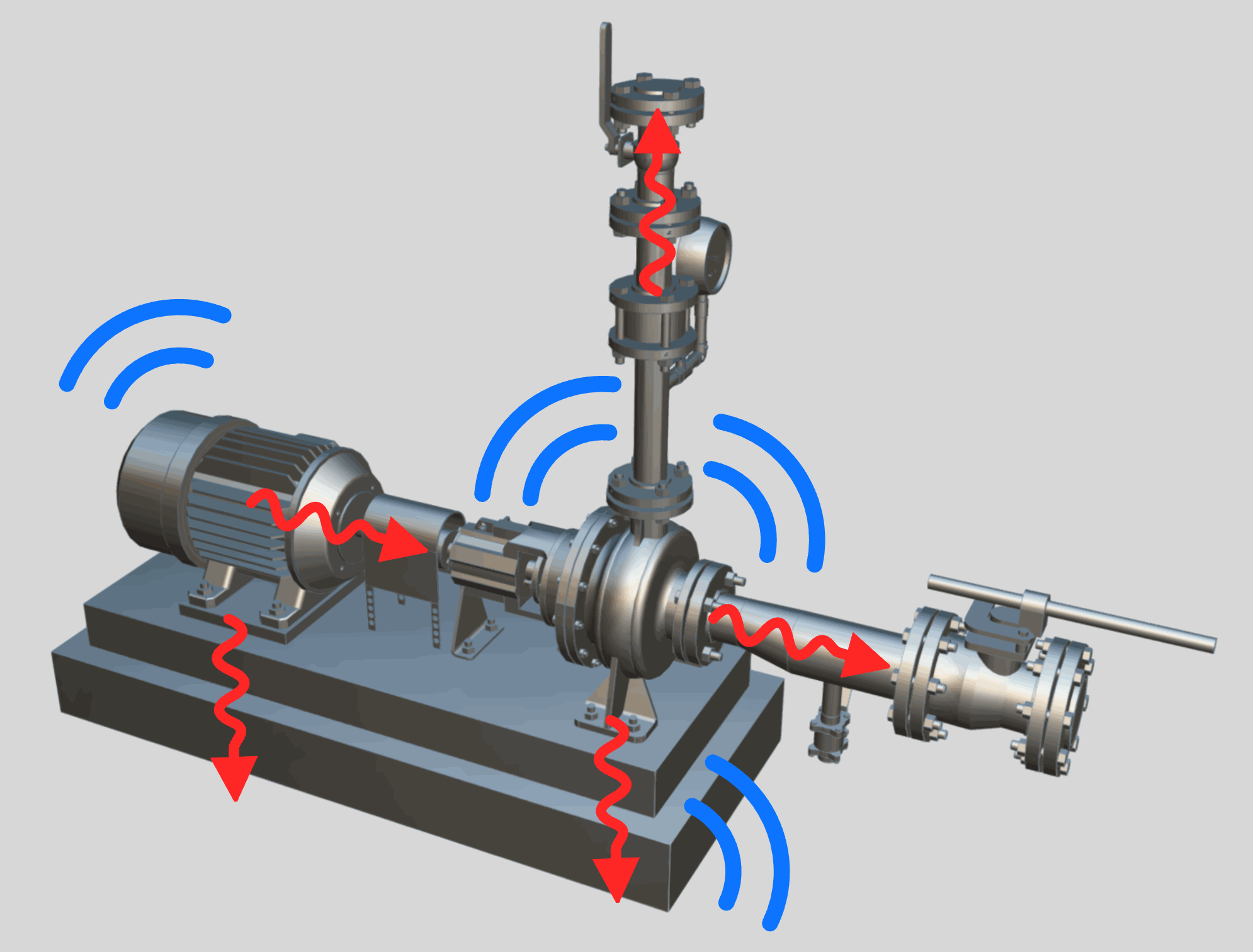
At the outset, the use, relevant operating conditions, target values and possible conflicts with installation space, cooling, weight and cost are defined. This produces an initial noise budget: Which sources are expected, which transmission paths are critical, and what margins does the complete system require?
The objective is not a detailed acoustic model for its own sake, but a robust specification for design and test planning before the key dimensions and layouts are fixed.
Prototype: identify the noise sources that matter most
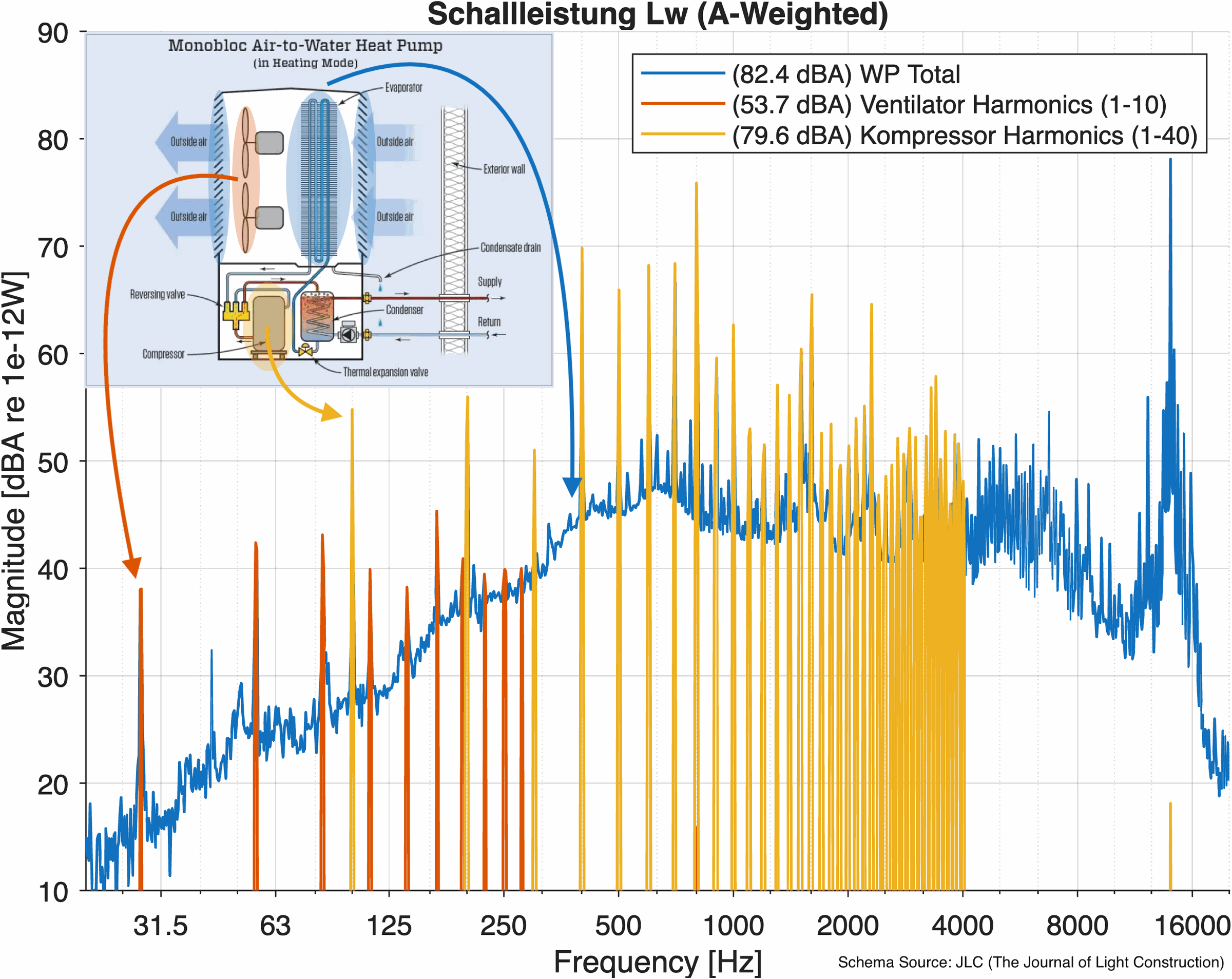
Prototype testing replaces assumptions with evidence about which sources matter most. Under the relevant operating conditions, it shows which contributions determine the overall noise level or perceived sound quality.
The aim is not to explain every prominent frequency, but to focus development work on the sources that genuinely affect performance. This avoids spending time on changes with little acoustic benefit. The measurement methods are explained on the linked service pages.
Design iteration: develop and validate effective solutions
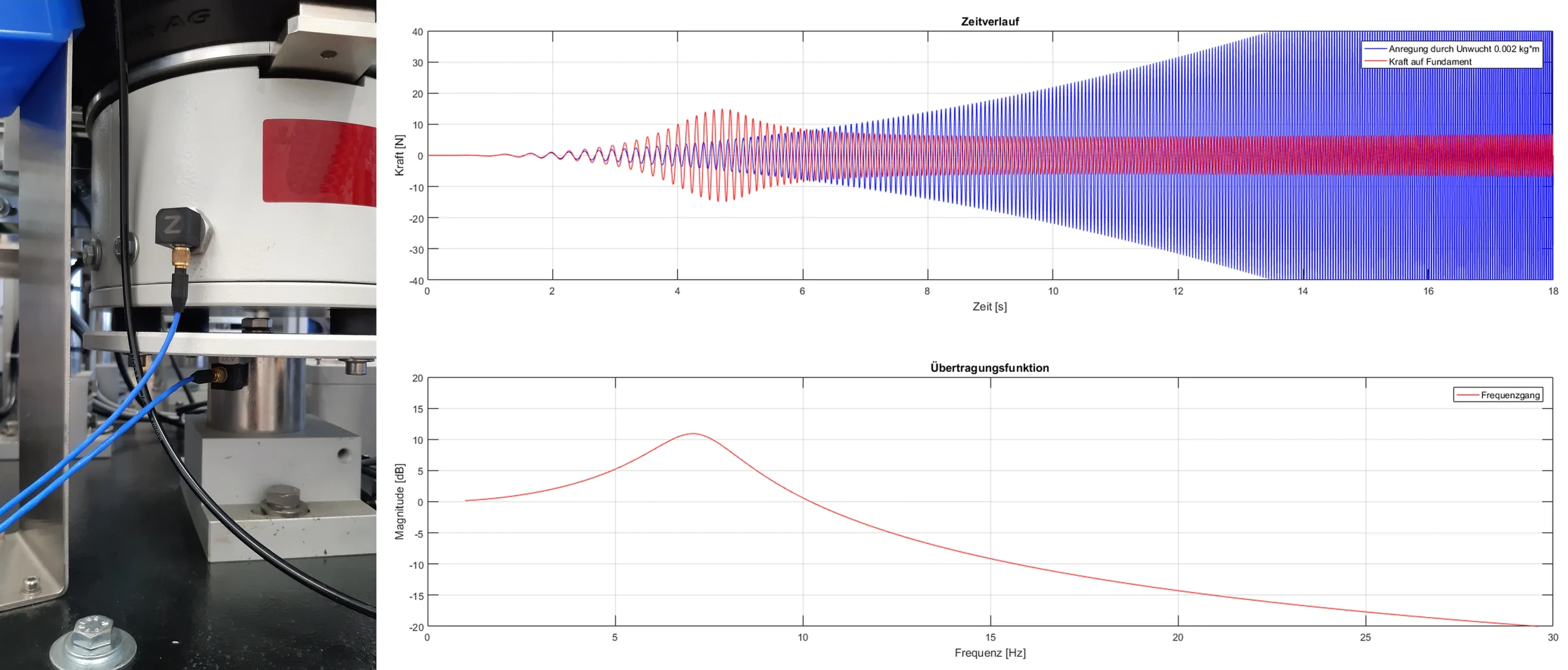
To address the dominant contributions, we develop design alternatives at the source, coupling, structure, flow path or radiating surface. Effectiveness, space, pressure loss, weight, temperature and cost are considered together.
The selected measure is tested on the prototype and compared with the initial state. Active Noise Control is considered only if the spectrum and geometry are suitable; a test establishes this before product development begins.
Production release: verify acoustic requirements
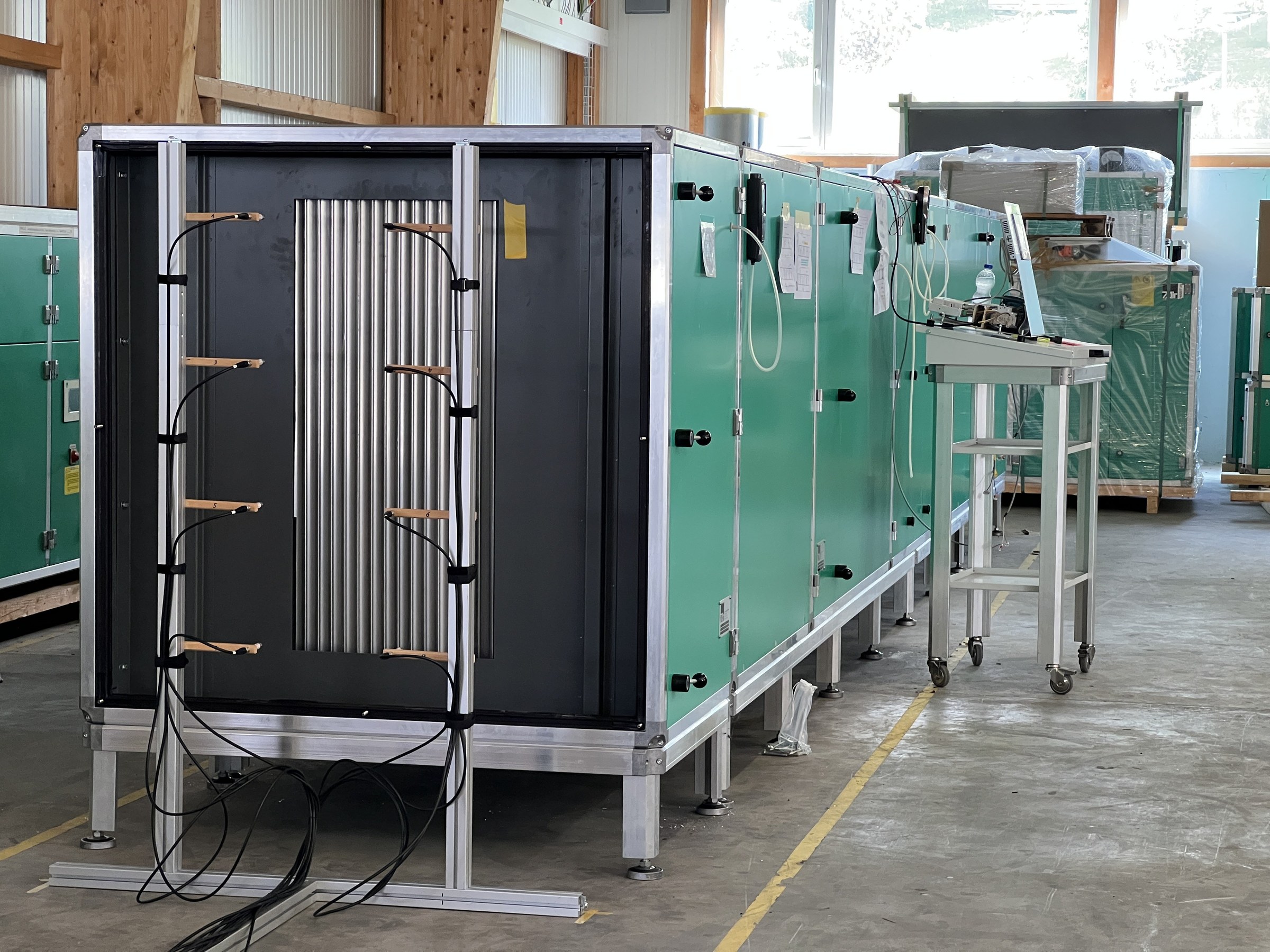
Before production release, we test the product under defined operating conditions and compare the results with the requirements, relevant standards and specified data-sheet values. Depending on the product, this may include sound power, emission sound pressure level, structure-borne sound or custom quality characteristics.
The report records the measurement setup, boundary conditions, raw data and result so that subsequent changes and complaints can be referred to the same reference state.
Production: detect deviations reliably

In production, the objective is no longer comprehensive development-stage diagnostics but a fast, robust decision. Characteristics are derived from the reference measurements to detect relevant assembly, component or process deviations even though the production environment does not sound like an acoustics laboratory.
We develop the measurement cell, sensors, analysis and interfaces as a custom test bench. Pass/fail criteria are validated in the actual production process rather than adopted from a general noise limit.