
Heat pump & building services noise
Your role determines what you need from a heat pump's acoustic performance. Manufacturers need equipment they can bring to market. Designers need to choose the right location, installers need to get the installation right, and owners are responsible for operation. Residents simply want a heat pump they cannot hear. The shared goal is to keep noise emissions as low and unobtrusive as possible. We support everyone involved.

For manufacturers and system suppliers
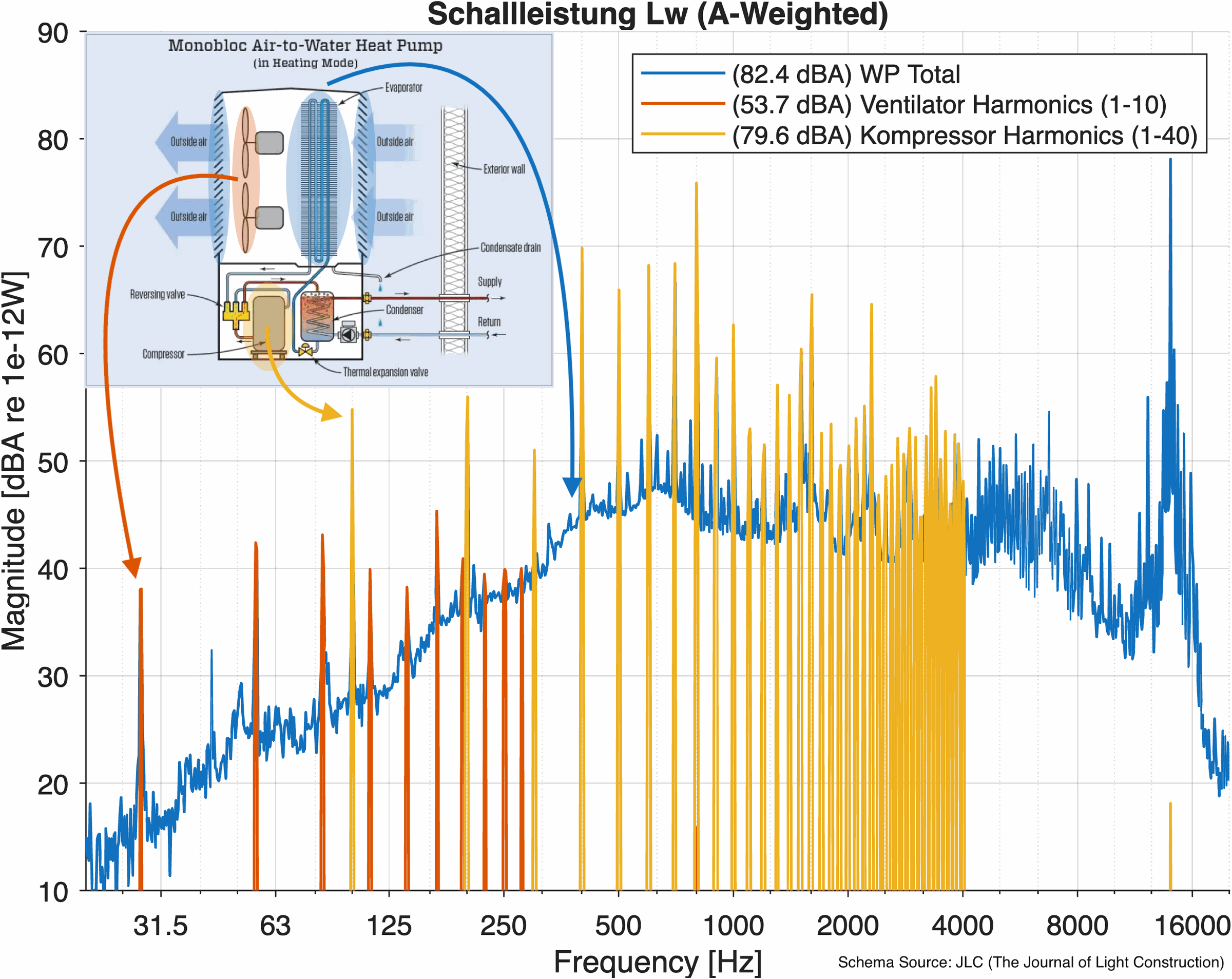
Acoustic targets should be established before the enclosure, fan, compressor and control system are fixed in the design. We help development teams prioritise the noise sources that matter most and design effective changes. The measurement methods used on the prototype are described on the linked service page.
Before release for series production, we test the relevant operating conditions and compare the results with requirements and data-sheet values. Acoustics thus remains a verifiable product property rather than becoming a development project only after a customer complaint.
For building-services engineers and design consultancies
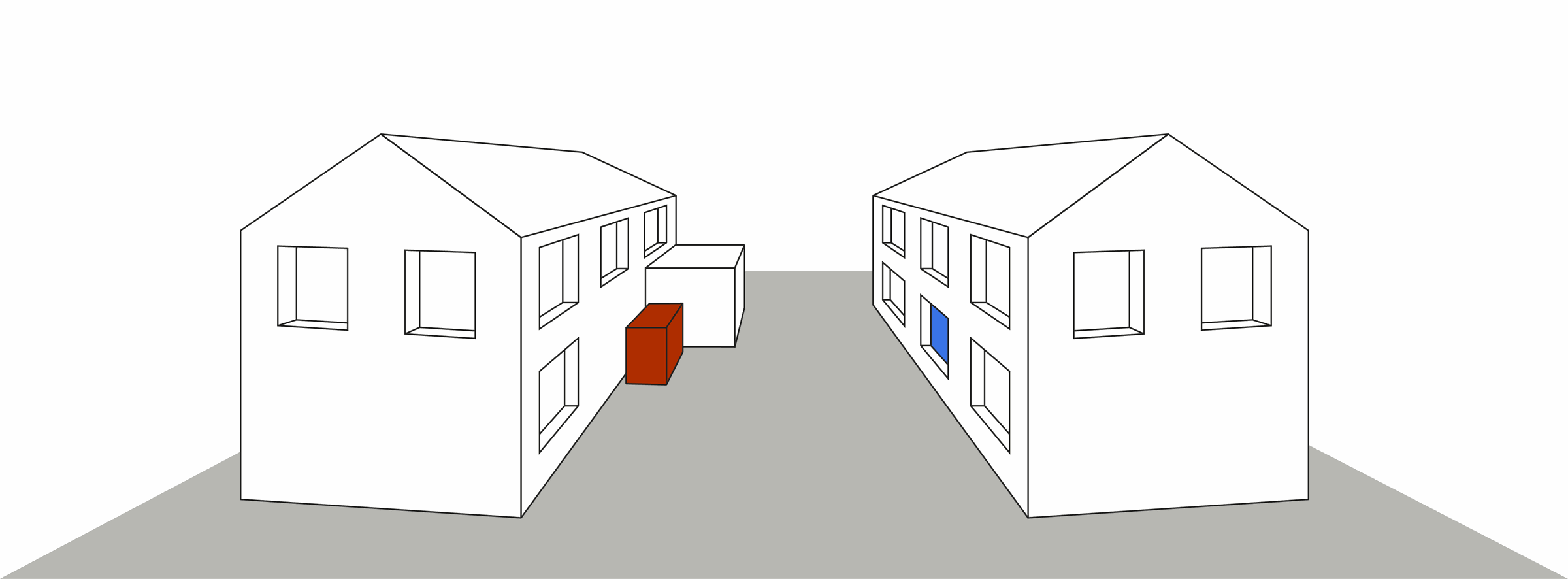
For straightforward standard situations, the noise compliance assessment provided by the Swiss Heat Pump Association is the correct first step. For more demanding situations, we calculate noise levels at the relevant receiver locations and compare options for siting, installation and operation.
A detailed prediction is particularly useful for dense development, reflections, multiple units, night-time operation or special load conditions. The correct decisions are then made before installation rather than after commissioning.
For installers
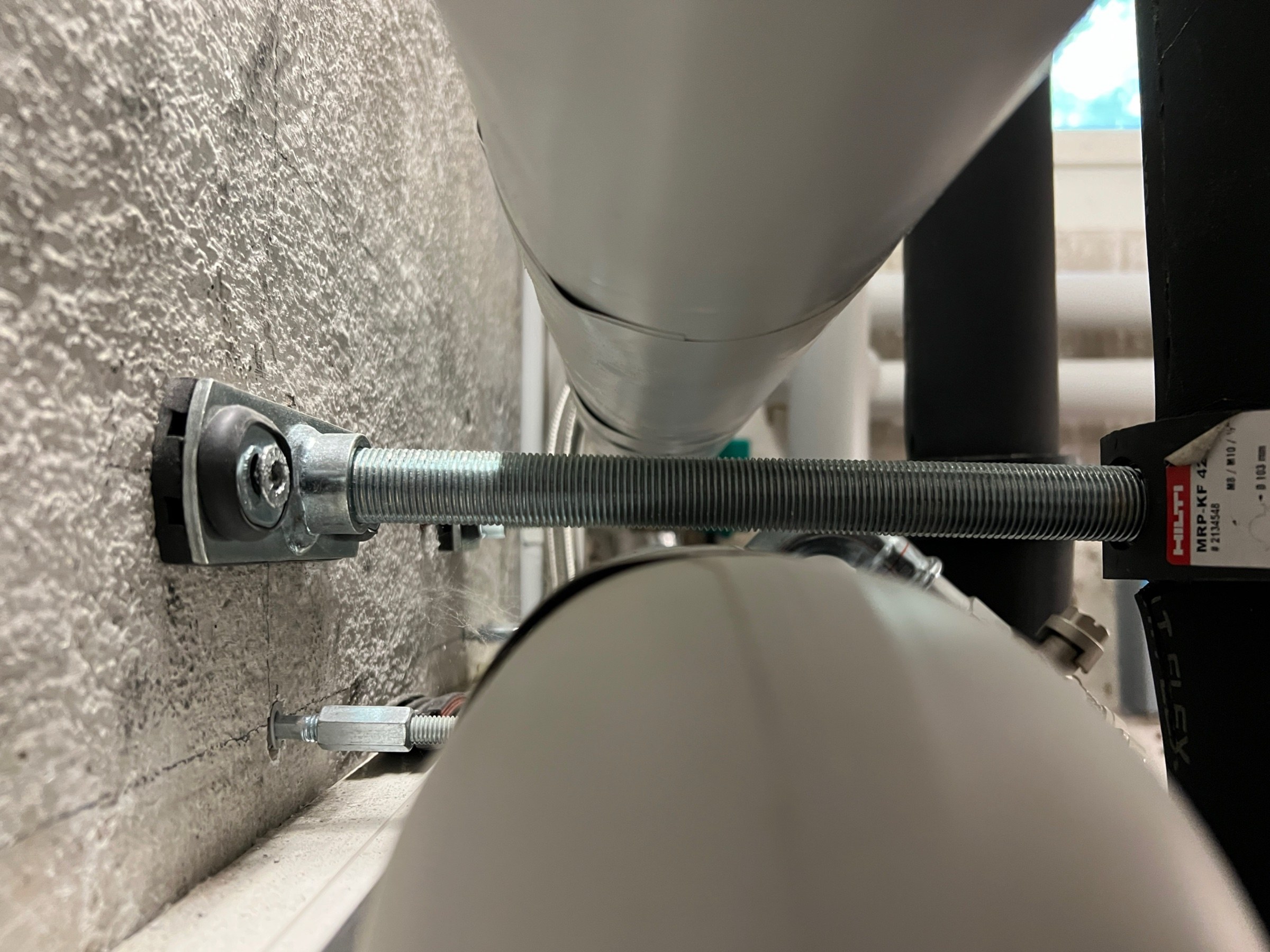
Even equipment with suitable acoustic performance can cause noise problems as a result of its location, connections or control settings. Before handover, we test critical operating conditions and, where required, whether the applicable requirements for the specific case are met.
If a complaint arises after commissioning, we investigate the source and transmission path. This allows mountings, pipe connections, rotational speeds, silencers or enclosures to be addressed systematically instead of making successive changes by trial and error. The measurement methods and formal assessment process are described on the linked service pages.
For owners and property managers
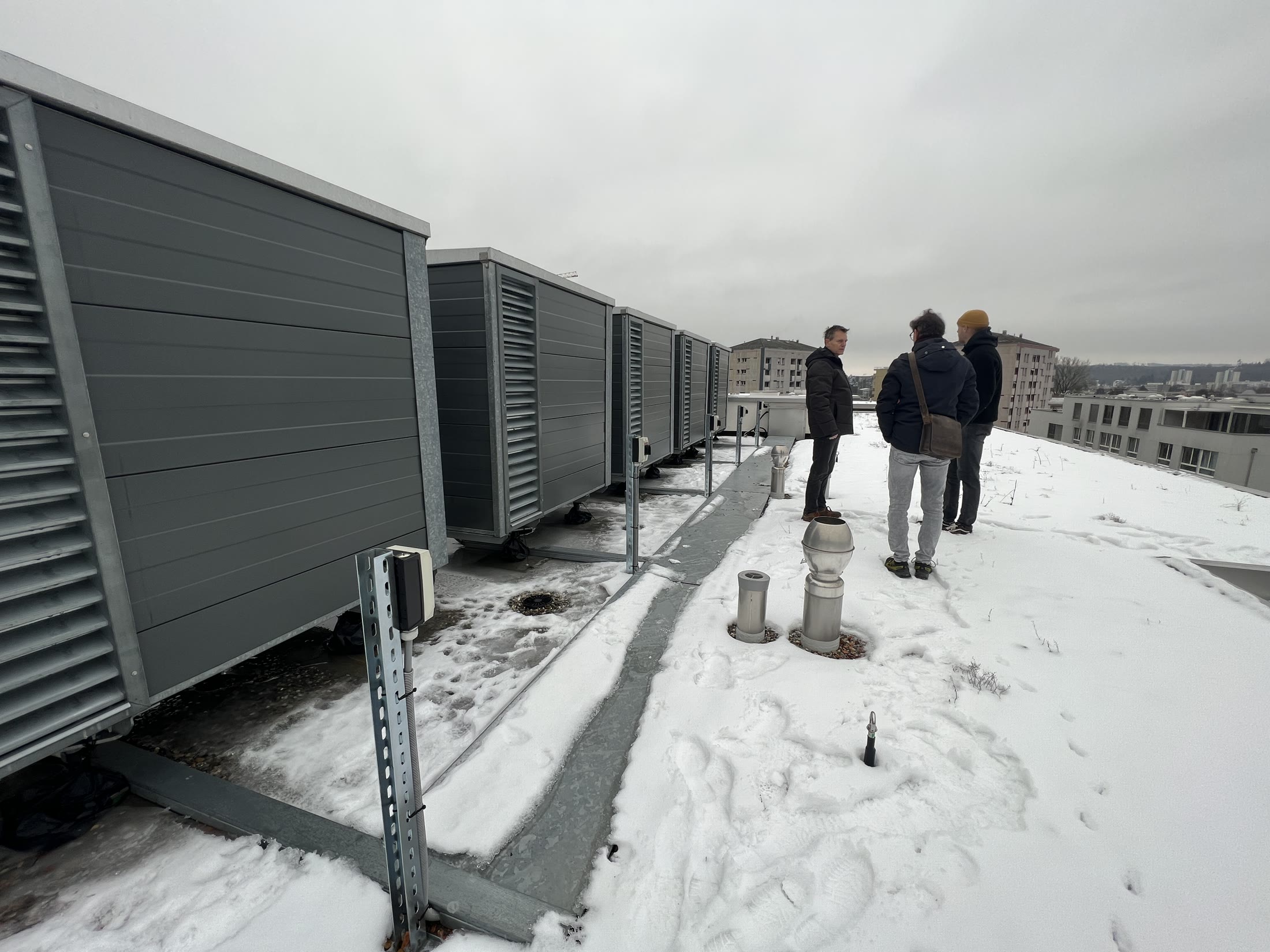
In a noise complaint, perceptions, responsibilities and possible technical causes are often unresolved. An independent, fact-based preliminary investigation documents when the disturbance occurs, whether it coincides with plant operation and whether detailed measurement is appropriate.
This creates a common basis for owners, residents, installers and the authority. Depending on the result, the next step is remedial work, a formal assessment or a documented finding that another sound source must be investigated as the cause.
For residents
If a heat pump is audible mainly at night, a short daytime visit is rarely sufficient. A recording or long-term measurement first shows when the noise occurs and whether it can be clearly traced to the equipment. If it is reliably present during a visit, root-cause investigation can begin directly on site.
Compliance with an exposure limit does not mean that tonal or low-frequency noise cannot be disturbing. Conversely, personal disturbance alone does not demonstrate that a limit has been exceeded. Separating these questions clearly prevents technical and legal questions from being confused.
When low-frequency tones are difficult to reduce by conventional means

Active Noise Control is an option for stable, low-frequency tonal components, especially where mass, installation space or airflow limits conventional measures. A test on the actual plant or prototype determines whether ANC is technically and commercially viable. Conventional measures are generally more suitable for broadband or highly variable noise.