
Industrial noise control
Workplace noise, noise at the site boundary and machine condition each call for a different acoustic investigation. We identify sources and transmission paths, assess the applicable requirements and develop solutions with verifiable results.

Reduce workplace noise effectively
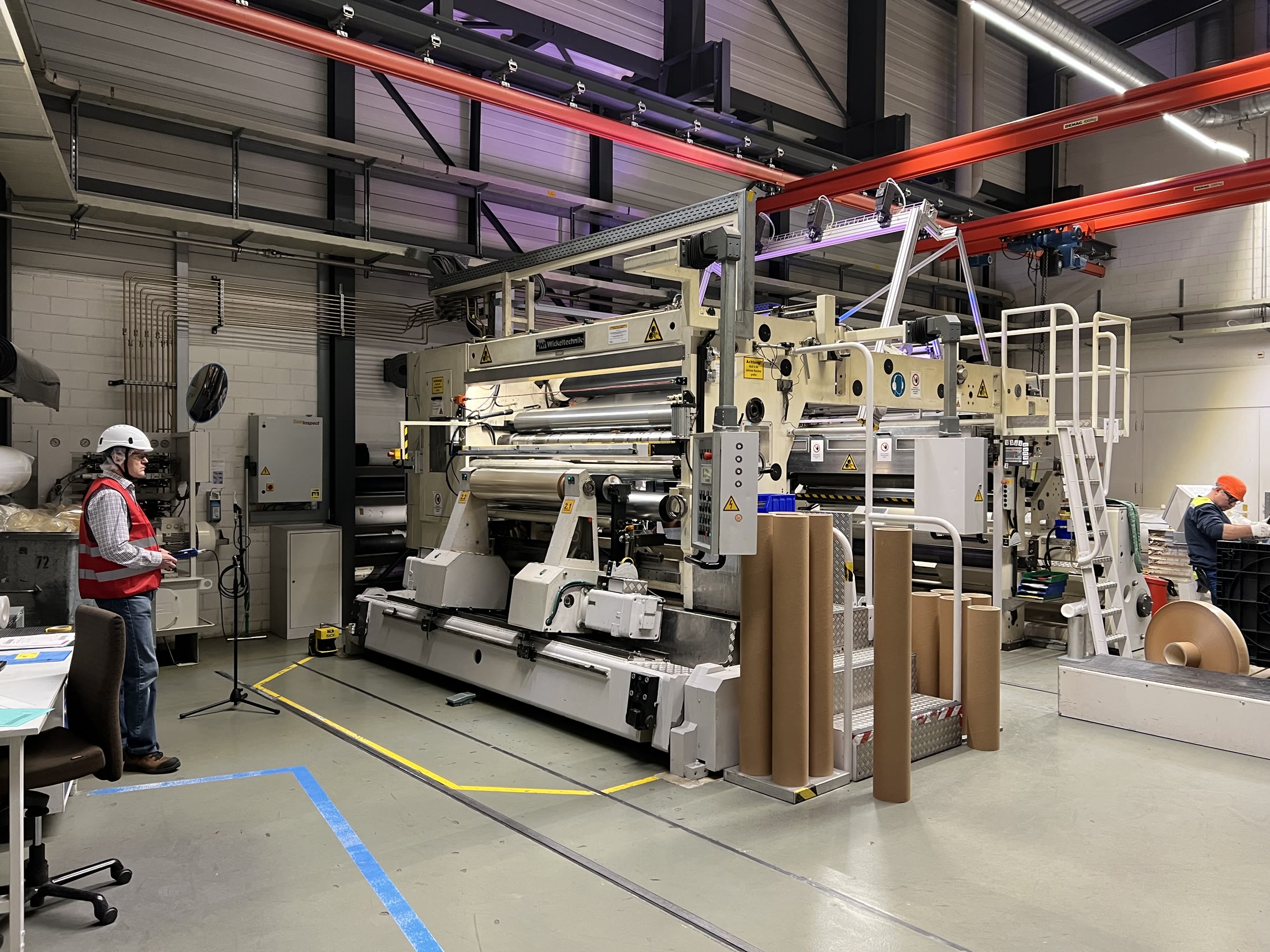
At a workplace, the decisive factor is not the single loudest moment but exposure during actual activities and over the shift. We determine which machines, operating conditions and workstations make the relevant contribution.
If one or two sources account for the noise exposure, we focus on the machine itself: quieter components, vibration isolation, silencers or a soundproof machine enclosure. If the contribution is distributed across many sources in the room, layout, room acoustics, time spent in the area and separation of loud and quiet zones become more important. The result is a prioritised list of measures rather than a collection of isolated ideas.
If a low-frequency, periodic component dominates, Active Noise Control may also be considered.
Neighbourhood noise and permit applications
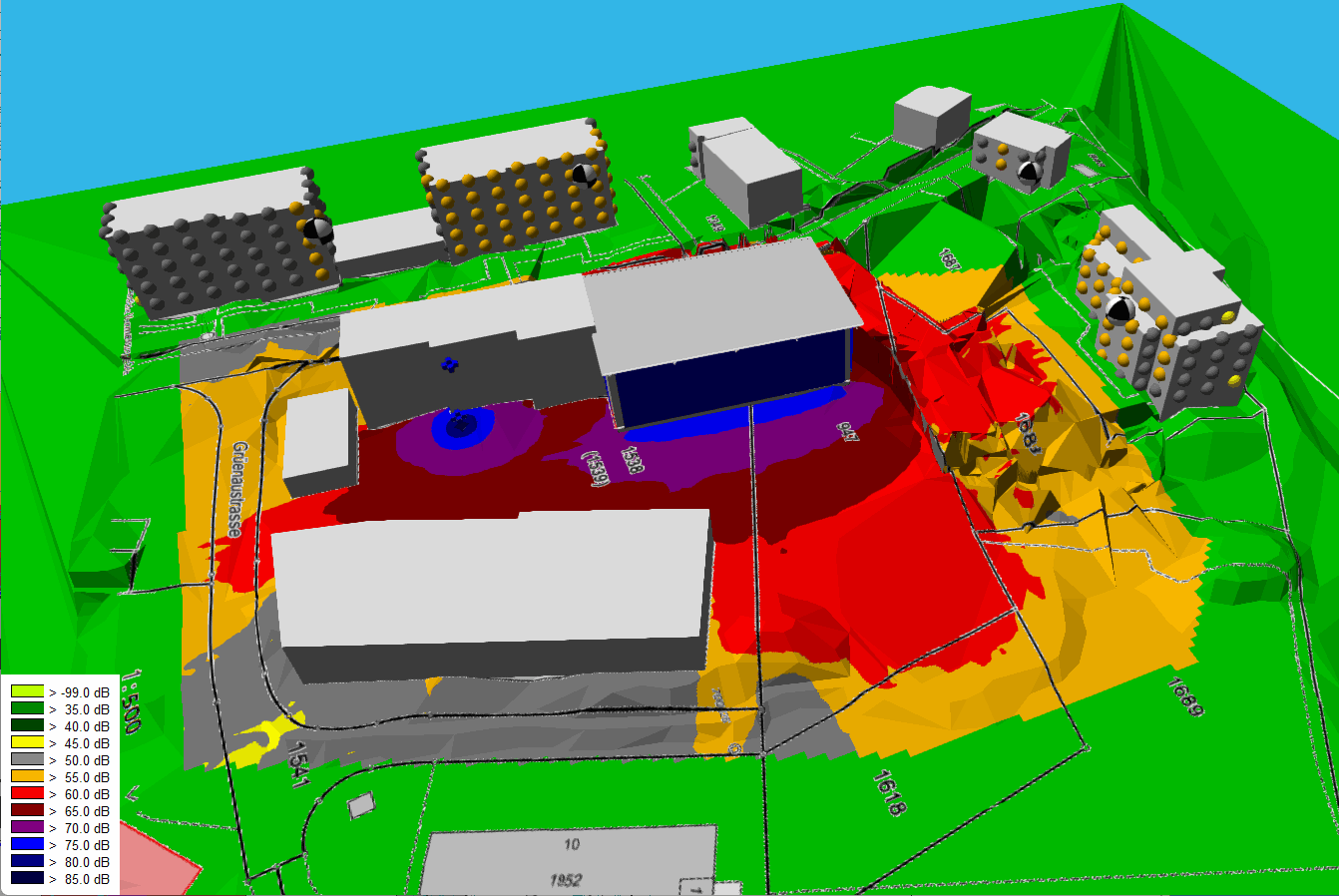
New production halls, additional machinery, changes in operating hours or new equipment can affect noise beyond the site boundary. For planning and permit applications, we identify the relevant sources, model propagation and assess noise levels at the relevant receiver points by day and night.
Where complaints already exist, we first establish which operating conditions actually coincide with the disturbance and what proportion originates from the plant under investigation. This provides a robust basis for the authority, operator and neighbours before structural or operational measures are decided.
Detect machinery damage early
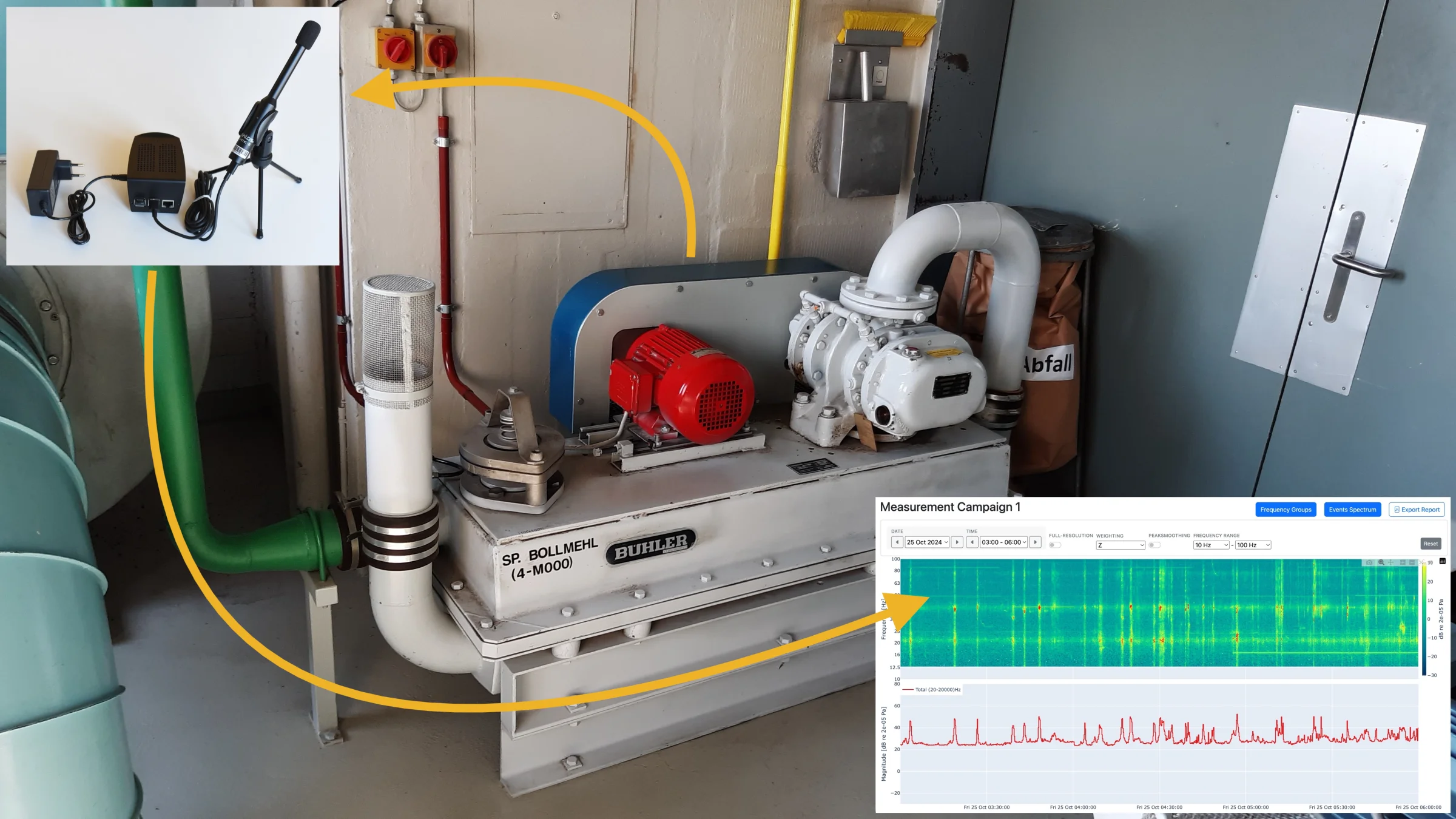
A machine has a characteristic sound and vibration pattern in a defined operating condition. A reference measurement and periodic or continuous recordings reveal when that pattern changes. Causes may include imbalance, bearing condition, loosened connections or a changed process.
We tailor limits and alarm thresholds to each machine. They are derived from the relevant operating conditions, available process data and the variation of a "healthy" machine. Monitoring thus provides an early maintenance signal (predictive maintenance); it does not replace technical diagnosis.